HISTORY
Pakistan was formed in1947 with the help of QUAIQ E AZAM he worked hard. because of their determination and overwhelming courage muslims got their seprate homeland.
COMPOSITION
Pakistan is composed of five provinces
- PUNJAB
- KPK
- SINDH
- BLOCHISTAN
- GILGIT
CULTURE
Every province has its different culture and custom
PUNJAB
| Cultural |
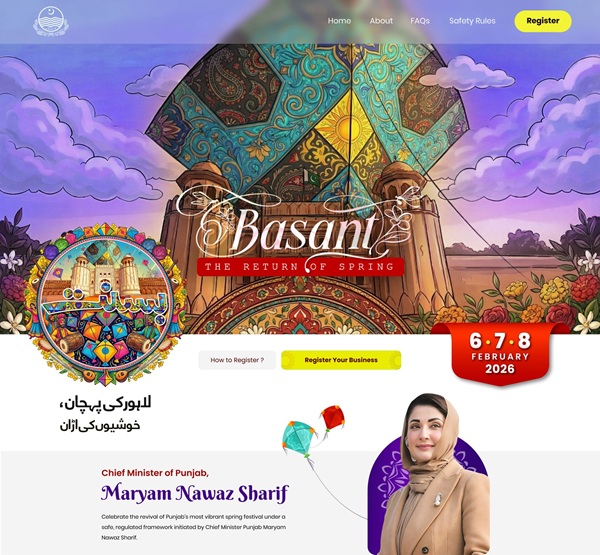
| Jashn-e-Baharan/ Basant Festival |
| Jashn-e-Baharan is a vibrant and widely celebrated event in Punjab, particularly in the city of Lahore. This festival marks the arrival of spring and is typically celebrated in the month of February-March. It is characterized by a variety of cultural, recreational, and entertainment activities that bring people together to enjoy the pleasant weather and the blooming flowers. It is a festival of traditional food, dresses, arts, music, flower exhibition, and many more. The festival is not just a celebration of the season but also an expression of cultural pride and communal harmony.One of the most iconic elements of Jashn-e-Baharan is Basant Festival, a centuries-old tradition renowned for its vibrant display of colors, celebration of spring, and exhilarating kite-flying. However, due to safety concerns, it has seen restrictions in recent years. But this year, it is officially marking its triumphant return to Lahore signifying that city’s skies will once again ‘speak in color.’ Following a landmark decision by Chief Minister Punjab, Maryam Nawaz Sharif, Government of the Punjab is all set to celebrate the revival of Punjab’s most vibrant spring festival under a safe, regulated framework as Basant Festival 2026 is scheduled from 6th to 8th February, |
KPK
Khyber Pakhtunkhwa (KP) is a province of remarkable geographical diversity, consisting of towering mountain ranges, undulating sub-montane landscapes, and fertile plains encircled by hills. The mountain systems generally extend in a north–south direction, particularly south of the River Kabul, effectively dividing the province from east to west. The Hindu Kush region in the north is internationally renowned for its breathtaking natural beauty. This region hosts Tirich Mir, the highest peak of the Hindu Kush, standing as a majestic symbol of northern KP. South of the Hindu Raj, the rugged basins of the Panjkora, Swat, and Kandia rivers form dramatic valleys shaped by erosion and tectonic activity. Due to its position near active fault lines, the region frequently experiences mild to moderate seismic tremors.
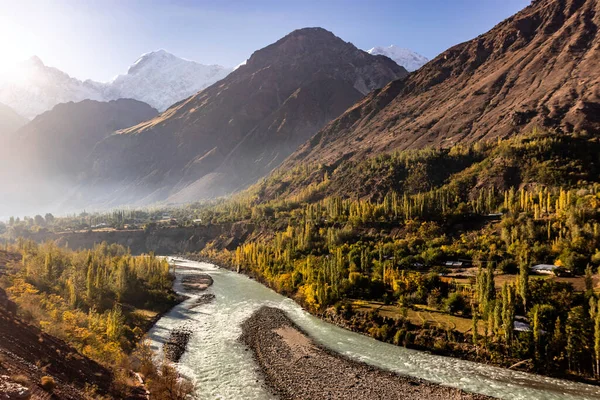
Khyber Pakhtunkhwa consists of mountain ranges, undulating submontane areas, and plains surrounded by hills. The mountain ranges generally run in the north–south direction south of the River Kabul, dividing the province from east to west. The Hindu Kush region in the north is known for its exotic natural beauty. The highest peak of the northern Hindu Kush is Tirich Mir. South of the Hindu Raj lie the rugged basins of the Panjkora, Swat, and Kandia rivers. Due to its tectonic setting, the region frequently experiences mild to moderate seismic tremors.
SINDH
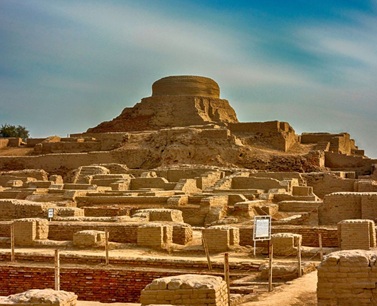
Sindh’s culture is a profound reflection of one of the oldest civilizations in the world, the Indus Valley Civilization. Historians and leaders, including Shaheed Benazir Bhutto, have consistently emphasized its importance, noting how its values of tolerance, hospitality, and unity shape our identity today.
From the poetry of Shah Abdul Latif Bhittai to the deep-rooted customs passed through generations, Sindh’s culture not only preserves history but also strengthens our collective future.
“Our culture is our true safeguard, and it is our responsibility to promote and preserve it. The rich legacy of the Indus Valley Civilization runs through our veins.”
BLOCHISTAN
BALOCHISTAN is Pakistan’s largest province in terms of area, but it is the least populated one. In spite of being the most sparsely populated Pakistani province, it offers an interesting linguistic locale to study.
The indigenous major languages spoken in Balochistan include Balochi, Brahui and Pashtu. In Sibi and Naseerabad divisions, Sindhi and Saraiki are spoken in addition to Balochi and Brahui. Quetta city has a sizeable population that speaks Punjabi, Hindko and Urdu. An ethnic group living mostly in or around Quetta speaks Hazargi, which, some linguists say, is a dialect of Farsi Dari. In Kalat, Mastung and some other areas of Balochistan, Dehwari is spoken, which is said to be a dialect of Farsi. In Lasbela district, a minority of people speaks Lasi, said to be a dialect of Sindhi.
Some of the above-noted pieces of information are derived from a recently published work titled Brahui aur Balochi ke lisani ravaabit, or the linguistic connections between Brahui and Balochi. Written by Prof Dr Abdur Razzaq Sabir and published by Quetta’s Brahui Adabi Society, the work is a research study analysing certain linguistic features of the two languages.
The first chapter gives a thumbnail summary of history of Balochistan, which is considered one of the earliest cradles of human civilisation as Mehrgarh, an archaeological site found in Balochistan, is estimated to date back to circa 7,000 BC. Dr Sabir has briefly recounted different eras of Balochistan’s history, including the Greek period when different parts of Balochistan had different names. It describes phonetics, grammars, scripts, dialects and vocabularies of Balochi and Brahui languages.
GILGIT
Gilgit-Baltistan, located in northern Pakistan, is renowned for its breathtaking mountain landscapes, including the majestic peaks of the Karakoram Range. It is home to diverse cultures, rich history, and unparalleled natural beauty, making it a paradise for adventurers, trekkers, and nature enthusiasts alike. With its vibrant traditions and hospitable locals, Gilgit-Baltistan offers an unforgettable experience for travelers seeking to explore its awe-inspiring terrain and discover its hidden treasures.

juwkulnmlogqzxmsjfhryzmdvweomw